

"Tell me about yourself" is often the very first real question in a job interview — and despite being so common, it's one of the most poorly answered. Candidates either ramble through their entire life story or freeze up trying to decide what's relevant. This guide gives you a proven framework, real sample answers, and word choices to craft the best possible response in English, tailored to your experience level.

This question isn't really an invitation to share your biography. Interviewers ask it to evaluate three specific things: how well you communicate under pressure, how you prioritize information when given an open-ended question, and whether your background logically fits the role you're applying for. In other words, it's a test of clarity and relevance disguised as a casual opener.
Because the question is so open-ended, it also reveals a lot about your self-awareness. Candidates who answer well demonstrate that they understand their own career story and can connect it to what the employer needs — not just talk about themselves in a vacuum.
The single most reliable structure for this question follows three clear stages. It keeps your answer organized, prevents rambling, and naturally leads the conversation toward why you're a strong candidate.
Open with a brief statement of where you are professionally right now and what value you currently provide. This grounds the interviewer immediately in who you are today.
Briefly connect the dots between your education, past roles, or key experiences and your current position. Choose only the details that build a logical path toward the job you want.
Close by explaining what you're looking for next and why this particular opportunity fits that goal. This is where you tie your story directly to the company and position.

A great answer to "tell me about yourself" doesn't sound rehearsed — it sounds like someone who genuinely understands their own story and where they're headed next.
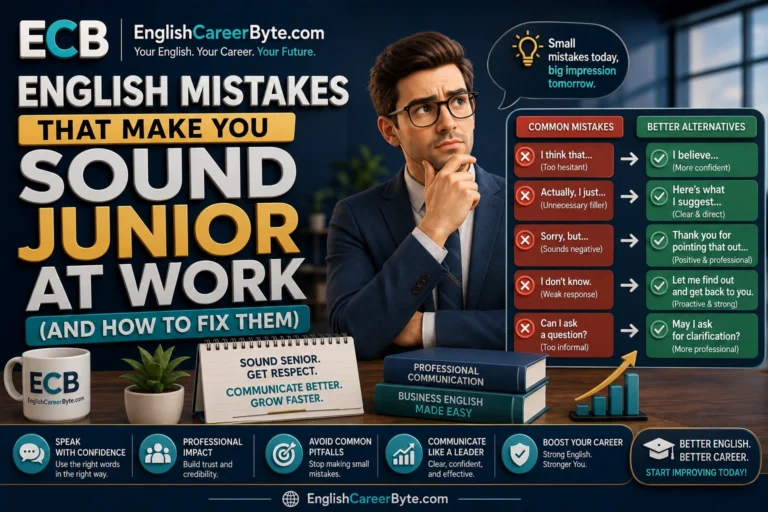
| Instead of... | Try... |
|---|---|
| "I did a lot of stuff at my last job" | "I was responsible for..." / "I led..." / "I managed..." |
| "I'm good at teamwork" | "I collaborated with a team of X to achieve Y" |
| "I want a better job" | "I'm looking for a role where I can take on more strategic responsibility" |
| "I don't have much experience" | "I've built a strong foundation through my coursework and internship in..." |

Write your answer out fully once, then condense it into short bullet points rather than memorizing full sentences. This keeps your delivery natural rather than scripted. Practice out loud multiple times, record yourself, and adjust based on pacing and clarity. It also helps to prepare a slightly different version for each job you apply to, tailoring the "future" section to match the specific company and role.
This question is closely related to how you introduce yourself at the very start of an interview. If you haven't already, it's worth reviewing our companion guide that covers greetings, structure, and sample opening lines in more detail.
"Tell me about yourself" is a predictable question you can prepare for in detail — and doing so gives you a strong, confident start to the entire interview. Use the Present-Past-Future structure, keep your answer focused on relevance, and practice until it feels natural rather than memorized. For further reading on structuring this answer effectively, The Muse's career advice guide offers additional examples worth exploring.

What is the best way to answer "Tell me about yourself"?
Use the Present-Past-Future framework: describe your current role, briefly explain the experience that led you here, and close with why you're interested in this specific opportunity.
How long should my answer be?
Keep it between 60 and 90 seconds. Long enough to be substantial, short enough to hold the interviewer's attention.
Should I mention personal life or hobbies?
Generally no, unless it's directly relevant to the role or the interviewer specifically asks. Keep the focus on professional background and achievements.
What if I'm changing careers or have an employment gap?
Focus on transferable skills and briefly explain the transition in a positive, forward-looking way, connecting past experience to the new role you're pursuing.
Is it okay to memorize my answer?
It's better to practice with bullet points rather than memorizing full sentences, so your delivery sounds natural rather than rehearsed.
Is this the same as introducing myself at the start of an interview?
They're related but slightly different. A self-introduction is usually a short opener, while this question often expects a bit more detail connecting your background to the role. See our companion guide for that structure.




6 Responses